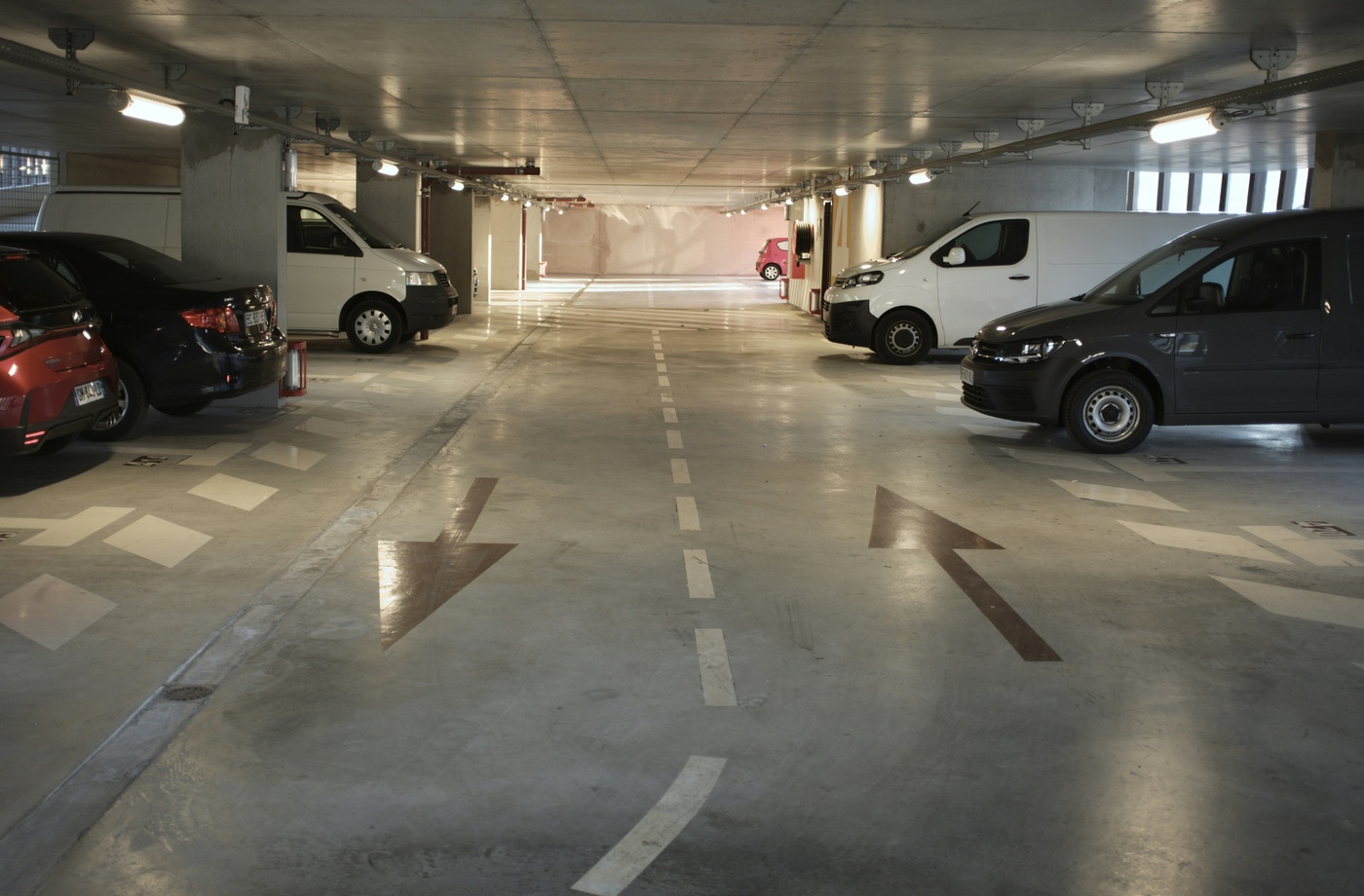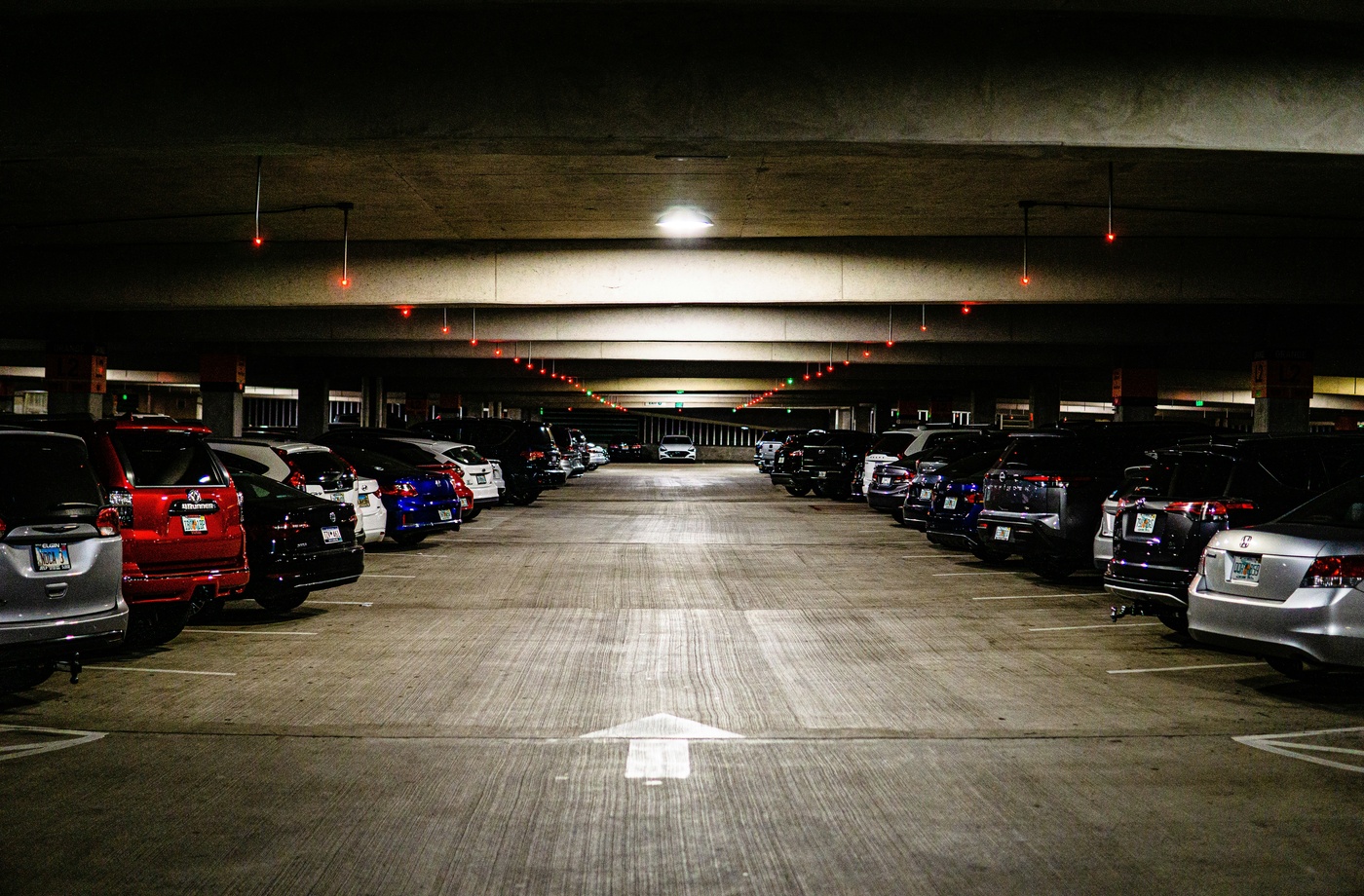
Parking lots are exposed to the elements year-round, and without proper maintenance, small weather-related issues can snowball into costly repairs. From extreme heat to freezing temperatures and heavy rain, every season brings its own challenges. Staying ahead of these conditions not only preserves the longevity of your lot—it also ensures safety, accessibility, and a professional appearance.
Here’s how to weatherproof your parking lot with smart, seasonal strategies.
- Spring: Inspect for Winter Damage and Start Repairs Early
As snow and ice melt, spring is the ideal time to inspect your lot for surface damage. Look for:
- Potholes and cracks
- Drainage issues or standing water
- Worn paint and faded striping
- Frost heave (raised pavement sections from freeze-thaw cycles)
Address cracks early using sealants or cold-patch asphalt to prevent water from seeping below the surface. Clean all drains and inlets to ensure proper stormwater flow.
Use tools from Asphalt Kingdom for cost-effective repair materials and guides.
- Summer: Reseal, Resurface, and Repaint
Summer’s dry, warm conditions make it the best time for sealcoating and restriping. A fresh coat of sealant protects against UV damage, oil spills, and moisture infiltration. It also restores that deep black finish that enhances curb appeal.
Use high-contrast paint to improve visibility for:
- Directional arrows
- ADA-compliant markings
- Reserved and loading zones
Companies like SealMaster offer eco-friendly, low-VOC sealants and supplies for commercial lots.
- Fall: Clear Debris and Prepare for Freezing Weather
As leaves fall, they can clog drains and create slick surfaces. Schedule regular lot sweeping and remove debris before it becomes a hazard. It’s also the time to:
- Apply crack filler to prevent freeze-thaw damage
- Recheck lighting for earlier nightfall
- Test snow removal equipment or hire seasonal contractors
Consider adding slip-resistant surface coatings in high-traffic pedestrian areas before winter begins.
- Winter: Prioritize Snow Removal and Ice Prevention
Winter brings the most aggressive wear and tear. Ice melt chemicals, plowing, and freeze-thaw cycles degrade asphalt quickly if not managed properly. Key winter tips include:
- Pre-treat surfaces with brine or anti-icing agents
- Use rubber-edged plow blades to avoid gouging pavement
- Keep access aisles and ADA spaces clear at all times
- Avoid excessive salt use, which can damage asphalt and nearby vegetation
Organizations like SIMA (Snow and Ice Management Association) provide best practices for snow removal and winter lot safety.
- Year-Round Tip: Promote Nearby Amenities While Drivers Wait
Whether drivers are waiting out a snowstorm or pausing before a summer event, parking downtime can be a great opportunity to offer rewards.
Encourage customers to get rewards with a Starbucks gift card on cold mornings or earn cashback with a Domino’s gift card on snowy evenings. With platforms like Fluz, drivers can redeem gift cards instantly and turn routine waits into rewarding experiences.
- Monitor Drainage All Year
Water is one of the most damaging forces to asphalt. Regularly inspect:
- Gutters and downspouts
- Drainage grates
- Catch basins
- Low spots where puddles form
Standing water accelerates deterioration and creates slipping hazards. Drainage maintenance is essential after every heavy rain or snowmelt.
Conclusion
A weatherproofed parking lot is safer, more durable, and more profitable. By aligning maintenance with seasonal demands and enhancing the customer experience with perks from platforms like Fluz, you not only protect your investment—you build long-term value for every visitor who pulls in.