Flat-rate parking may be easy to implement—but it often leaves money on the table. As consumer expectations shift toward flexibility and personalization, dynamic pricing has emerged as a smarter, more profitable strategy. By adjusting parking rates based on demand, time of day, or event schedules, lot operators can improve occupancy, smooth traffic flow, and drive higher returns.
Here’s how to implement dynamic pricing in your parking lot and why it’s becoming the new industry standard.
- What Is Dynamic Pricing in Parking?
Dynamic pricing refers to adjusting parking rates in real time or on a scheduled basis based on key factors such as:
- Demand (peak vs. off-peak hours)
- Local events or holidays
- Day of the week
- Nearby business hours
- Real-time occupancy levels
Instead of charging the same fee 24/7, lots can increase prices during high-demand periods and reduce them when demand is low—maximizing revenue while keeping the lot optimally full.
- Use Real-Time Data to Inform Pricing
Dynamic pricing is only as effective as the data behind it. Parking management platforms like ParkMobile, Passport, and PayByPhone provide analytics on usage patterns, length of stay, and payment trends.
This data helps lot operators identify when to adjust rates and how to set pricing tiers. For example, you might charge:
- $2/hour during weekday mornings
- $4/hour on Friday and Saturday evenings
- $1/hour during off-peak midweek hours
These adjustments can happen automatically using software-based pricing models.
- Offer Incentives During Off-Peak Hours
Lower rates during quiet times help increase occupancy and improve turnover. Pair these with promotional perks that encourage additional spending. For example, a driver who visits during slower hours could get rewards with a Panera Bread gift card after parking for lunch or earn cashback with a CVS gift card while running errands.
Offering these incentives through platforms like Fluz not only drives traffic during less busy periods but also builds customer loyalty and creates value beyond just a place to park.
- Adjust Prices for Special Events and Holidays
Sporting events, concerts, or community festivals can spike parking demand. Use scheduled rate increases to capitalize on these surges. Platforms like Flash allow operators to create event-based pricing calendars and implement rate changes instantly across multiple locations.
You can also pre-sell premium spots or add a “surge fee” during high-traffic windows.
- Communicate Pricing Clearly
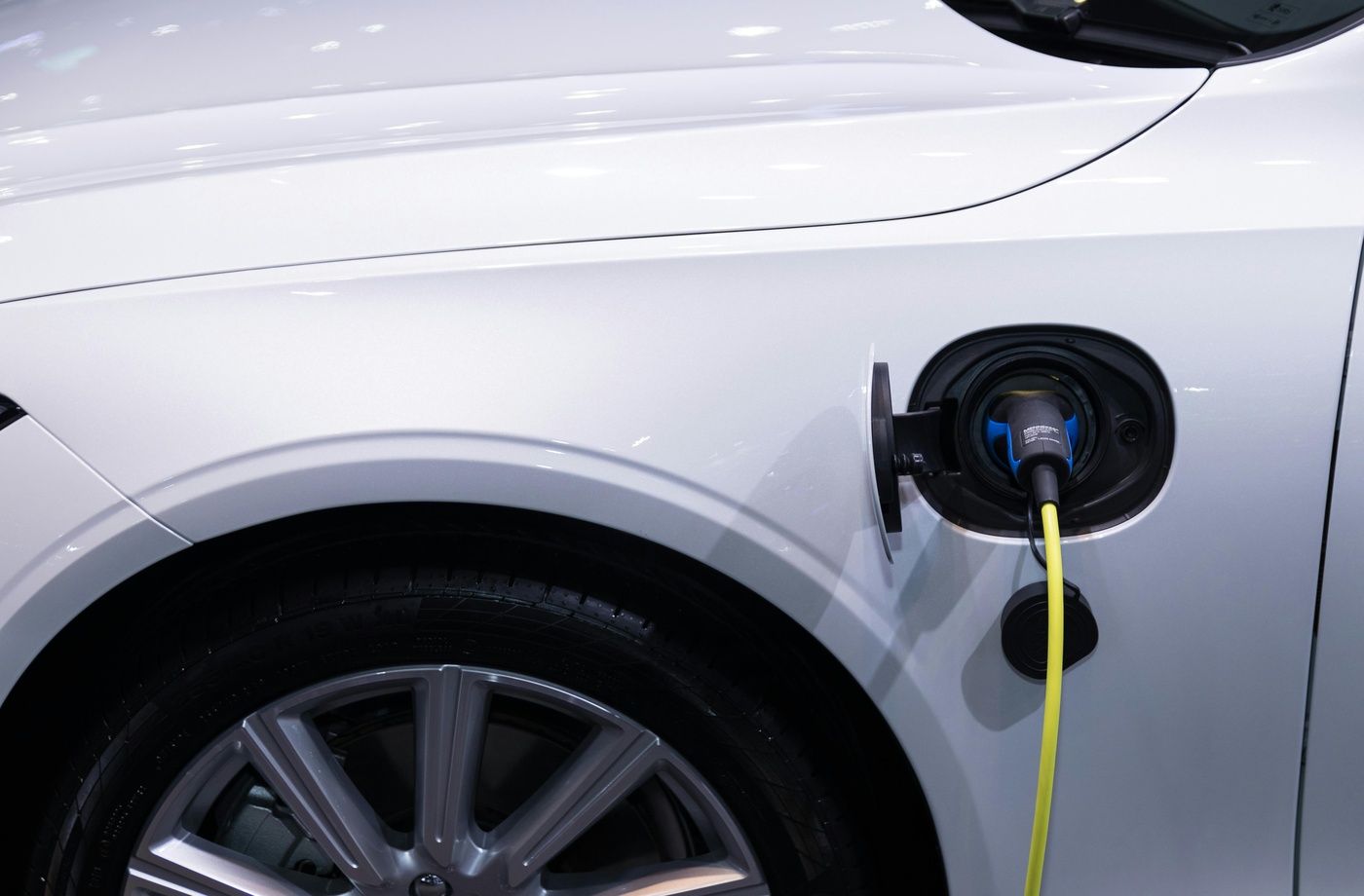
Transparency is key. Use digital signage, mobile apps, and web pages to display current rates. Drivers are more likely to accept higher prices if they understand the reason—like increased demand during an event or added amenities such as security or EV charging.
Make sure all rates are visible at entry points and on mobile payment platforms.
- Integrate Loyalty and Rewards Into Your Pricing Strategy
Dynamic pricing doesn’t have to mean higher costs for frequent users. Offer loyalty programs that provide discounts, bonus minutes, or exclusive perks to regular visitors.
You can also integrate cashback platforms like Fluz to help offset rising prices with spending rewards. For instance, during a peak pricing window, you can promote nearby merchant perks like get rewards with a Shake Shack gift card to balance the cost and add convenience.
- Monitor and Adjust Regularly
Dynamic pricing is not a “set and forget” system. Regularly evaluate performance data to fine-tune your model. Look for patterns in occupancy rates, driver feedback, and local trends to ensure your rates stay competitive and profitable.
Conclusion
Dynamic pricing is more than just a pricing tactic—it’s a comprehensive strategy to increase revenue, optimize space, and create a more user-focused parking experience. When paired with real-time data, smart technology, and digital rewards from platforms like Fluz, parking lot operators can turn rate adjustments into long-term business gains.