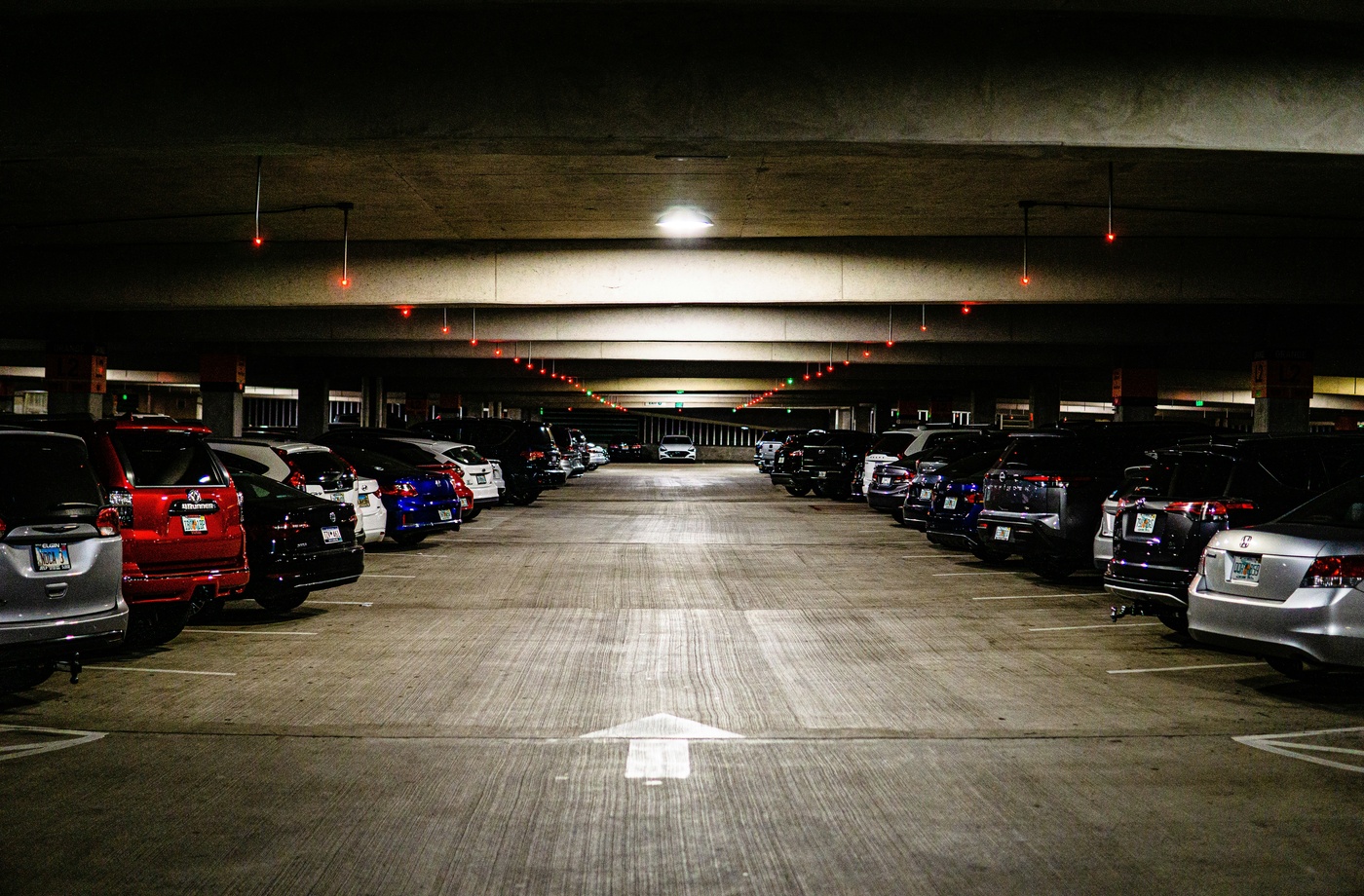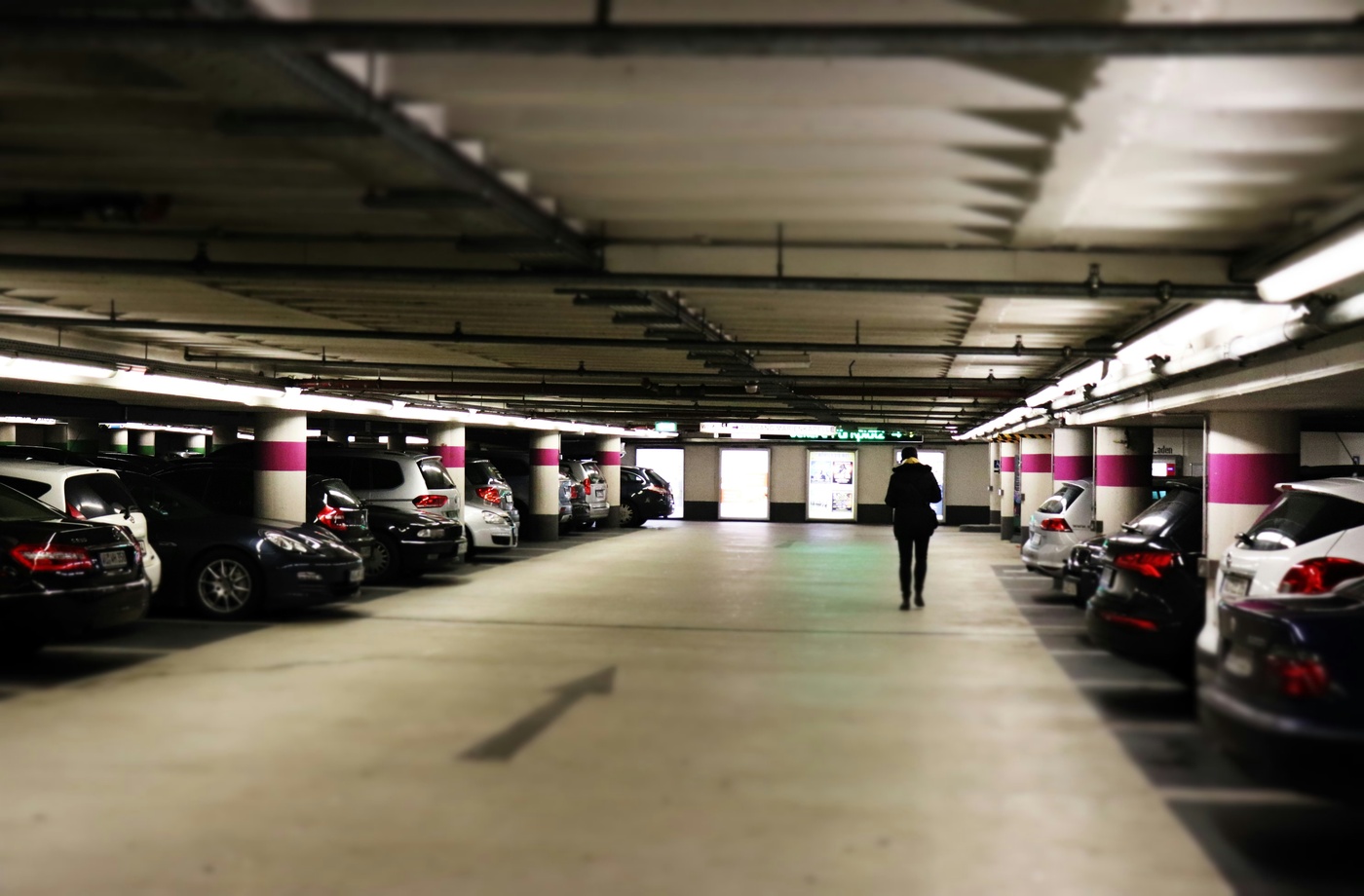
Lighting is one of the most overlooked yet critical elements of parking lot design. It affects visibility, safety, energy costs, and user confidence. A well-lit lot not only deters crime and accidents but also enhances the perception of professionalism and trust. Whether you’re managing a retail space, healthcare facility, or office building, lighting upgrades can deliver high returns with relatively low investment.
Here’s how proper lighting design improves parking lot operations and how to implement it efficiently.
- Lighting and Safety Go Hand in Hand
Poor visibility contributes to everything from pedestrian injuries to vehicle collisions. According to the National Safety Council, slips, trips, and falls are among the leading causes of workplace injuries—including those in parking areas.
Effective lighting helps reduce:
- Trip hazards from uneven surfaces
- Vehicle collisions in tight lanes
- Theft and vandalism after dark
- Loitering in low-visibility zones
Well-distributed illumination boosts driver confidence and encourages repeat visits, especially in lots near retail centers or transit hubs.
- Upgrade to LED for Better Light and Lower Bills
Traditional high-pressure sodium or metal halide lights are energy-intensive and cast a yellow hue that can distort visibility. LED lighting provides brighter, more uniform illumination with better color rendering. It also lasts longer—often 50,000+ hours—and uses a fraction of the energy.
Options from providers like Cree Lighting or RAB Lighting offer fixtures specifically designed for outdoor parking environments.
- Add Motion Sensors and Smart Controls
One of the easiest ways to reduce energy usage is to install motion sensors or dimmable systems. Lights can automatically reduce output during low-traffic hours and brighten when vehicles or pedestrians are detected. Smart lighting systems also enable scheduling and remote monitoring, helping operators manage multiple lots more effectively.
Systems from companies like Lutron or Acuity Brands offer scalable controls compatible with commercial properties.
- Prioritize Uniformity, Not Just Brightness
More light isn’t always better—especially if it creates glare or deep shadows. Focus on uniformity, ensuring the entire lot has consistent coverage without bright spots or dark corners. Aim for a lighting ratio of about 3:1 between the brightest and darkest areas to reduce eye strain and ensure safe navigation. - Ensure Fixtures Are Dark Sky Compliant
Light pollution affects more than just visibility—it can interfere with wildlife, sleep cycles, and neighbor satisfaction. Use full cut-off fixtures that direct light downward and comply with Dark Sky guidelines.
Dark Sky-compliant lighting keeps light focused where it’s needed—on the pavement—while reducing glare and upward spill.
- Combine Lighting with Perks to Elevate the Experience
Well-lit lots create more opportunities to promote additional services or partner rewards. Use entryway lighting to highlight QR codes or signage promoting digital offers nearby.
For example, customers can earn cashback with a Chili’s gift card or get rewards with a Shake Shack gift card after parking for a meal. Integrating Fluz offers in visible, secure areas encourages impulse purchases while giving drivers an added reason to choose your lot.
- Don’t Forget Maintenance
Even LEDs eventually need attention. Schedule regular maintenance checks to ensure all fixtures are clean, aligned, and functioning. Burned-out or flickering lights can create liability risks and deter visitors.
Conclusion
Upgrading your parking lot lighting is one of the most cost-effective ways to enhance safety, lower energy use, and improve the customer experience. By switching to LED, using smart controls, and integrating digital perks like Fluz, lot operators can create a modern, inviting space that meets both practical and financial goals.